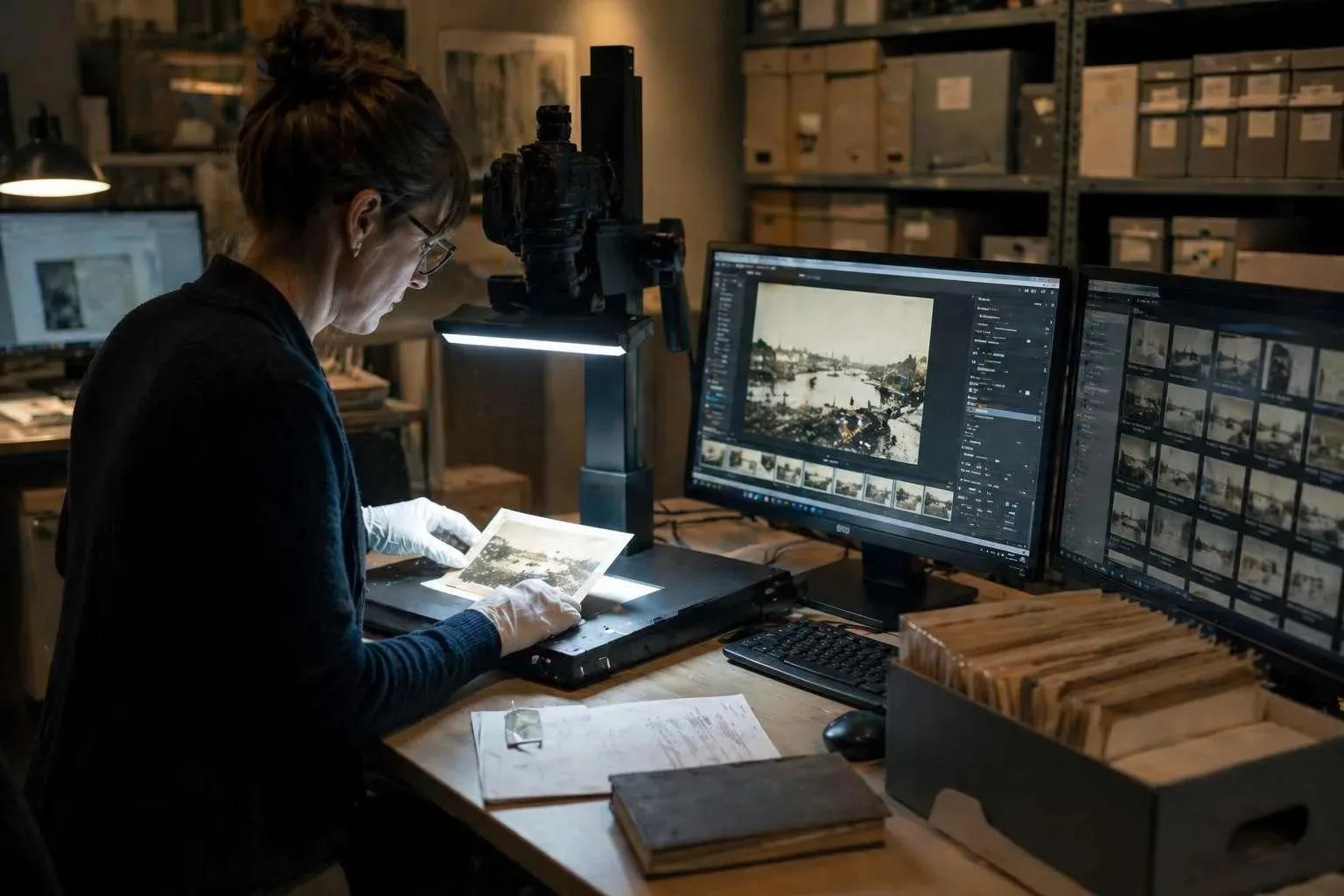
Every community has stories that rarely appear in history books. Family-owned businesses, neighborhood celebrations, local artists, and grassroots movements all contribute to cultural identity, yet many of these experiences disappear when nobody documents them. The growing influence of Black-owned media platforms demonstrates how independent publishers can contribute to preserving these narratives while making them accessible to future generations.
Digital technology has transformed cultural preservation from an activity associated mainly with museums and libraries into something journalists, creators, and community organizations can actively support. However, recording history involves responsibilities that extend far beyond uploading photographs or publishing occasional interviews.
Why Everyday Stories Matter
Historical accounts frequently emphasize political leaders, major events, and nationally recognized personalities. Although these subjects deserve attention, they represent only part of a community’s experience.
Ordinary experiences can reveal how neighborhoods developed, businesses survived difficult periods, and cultural traditions changed over time. Documenting these details provides valuable context for understanding broader social developments.
A neighborhood restaurant, for example, may represent decades of family entrepreneurship. Its history can reveal changing customer preferences, economic conditions, and relationships between generations of residents.
Preserving Voices Through Digital Storytelling
Digital publishing makes it possible to document personal experiences through written interviews, photographs, audio recordings, and short documentaries. Each format captures different aspects of cultural memory.
An audio interview can preserve someone’s speaking style, while photographs reveal details about clothing, architecture, and community gatherings. Written reporting provides additional historical context and verified information.
Combining these formats creates richer records than relying on a single storytelling method. However, publishers should obtain appropriate permissions and accurately represent contributors’ experiences.
Social Media as a Discovery Channel
Many independent publishers use social media platforms for business to introduce audiences to historical photographs, cultural interviews, and community storytelling projects. Short clips and image collections can attract attention from people who might not otherwise explore archival material. They may also encourage residents to contribute their own memories.
However, social media should not function as the only storage location. Accounts can become inaccessible, posts can disappear, and changes in platform policies may affect access to valuable material. Maintaining organized copies outside social networks helps protect important records from unnecessary loss.
The Challenge of Digital Preservation
Publishing something online does not guarantee that it will remain accessible indefinitely. Websites can close, hosting services may fail, and older file formats sometimes become difficult to open. Organizations responsible for cultural collections should establish reliable backup procedures and maintain clear systems for organizing files.
Descriptive information is equally important. Recording dates, locations, contributors, and relevant background details helps future researchers understand what individual photographs or interviews represent. Without this context, even valuable historical materials can lose much of their usefulness.
Community Participation Improves Accuracy
Cultural archives become stronger when the people represented in them can contribute directly. Residents may recognize individuals in photographs or identify details that outside researchers overlook. Community participation also reduces the risk of presenting complex histories through a narrow perspective. Different generations often remember the same developments in distinct ways.
Publishers should welcome these perspectives while maintaining careful verification practices. Personal memories provide valuable evidence, but dates and factual claims may require confirmation through additional records.
Ownership and Ethical Responsibilities
Digital preservation raises important questions about who controls cultural materials and how they may be reused. A recorded interview or family photograph can hold personal significance beyond its historical value.
Publishers should communicate clearly about ownership, consent, and potential future uses before collecting sensitive materials. Respecting these boundaries helps establish trust with contributors. Cultural documentation should benefit communities rather than simply transform their experiences into commercially valuable content.
Helping Younger Generations Connect With History
Digital archives can make community history more approachable for younger audiences who regularly engage with online media. Schools, libraries, and cultural organizations may incorporate archived interviews and photographs into educational activities. Such resources can connect historical developments with recognizable places and personal experiences.
Interactive timelines and carefully organized digital exhibitions can also help audiences understand how past decisions influenced present-day communities. These projects demonstrate that cultural preservation is not only about protecting old records. It also supports education, identity, and informed conversations about the future.
Conclusion
Cultural history becomes more complete when everyday experiences receive the attention traditionally reserved for major public events. Through careful documentation, ethical storytelling, and responsible digital preservation, independent publishers can protect memories that might otherwise disappear. The community-centered perspectives associated with bfacollective.com reflect the wider importance of ensuring diverse experiences remain visible within the historical record. Preserving these stories gives future generations more opportunities to understand the people, decisions, and traditions that shaped their communities.
